
Transform Your Craft: Reclaim Time and Focus on Skills
- Max Long
- Apr 22
- 4 min read

In a world filled with distractions, reclaiming your time and honing your skills can feel like an uphill battle. Whether you are an artist, a writer, a musician, or a craftsperson, the constant pull of modern life can divert your attention away from what truly matters: your craft. This blog post will explore practical strategies to help you transform your craft, reclaim your time, and focus on developing your skills.
Understanding the Importance of Focus
The Cost of Distraction
Distractions are everywhere. From notifications on your phone to the endless scroll of social media, it’s easy to lose track of time. Research shows that it takes an average of 23 minutes to regain focus after an interruption. This means that every time you check your phone or get sidetracked by a conversation, you are losing valuable time that could be spent improving your craft.
The Benefits of Deep Work
Deep work refers to the ability to focus without distraction on a cognitively demanding task. This concept, popularized by Cal Newport, emphasizes the importance of uninterrupted time dedicated to skill development. Engaging in deep work allows you to produce higher quality results in less time. By prioritizing focused work sessions, you can significantly enhance your skills and creativity.
Strategies to Reclaim Your Time
Set Clear Goals
To reclaim your time, start by setting clear, achievable goals. Define what you want to accomplish with your craft. For example, if you are a painter, your goal might be to complete a series of five paintings within a month. Having specific goals gives you a clear direction and helps you stay focused.
Create a Dedicated Workspace
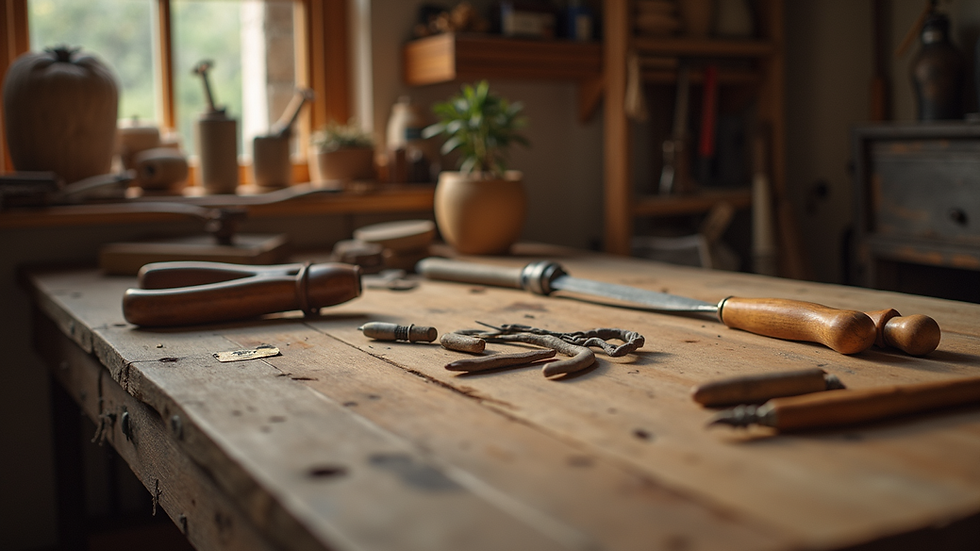
Your environment plays a crucial role in your ability to concentrate. Designate a specific area for your craft. This space should be free from distractions and equipped with all the tools you need. A clutter-free, organized workspace can significantly enhance your focus and productivity.
Establish a Routine
Developing a routine can help you carve out dedicated time for your craft. Identify the times of day when you feel most creative and energized, and schedule your crafting sessions accordingly. Consistency is key; by making your craft a regular part of your day, you reinforce the habit and make it easier to focus.
Limit Distractions
Identify the distractions that pull you away from your craft and take steps to minimize them. This might mean turning off notifications on your phone, using website blockers during your work sessions, or setting boundaries with family and friends. Communicate your need for uninterrupted time, and let others know when you are unavailable.
Techniques to Enhance Focus
Use the Pomodoro Technique
The Pomodoro Technique is a time management method that encourages focused work sessions followed by short breaks. Set a timer for 25 minutes and work on your craft without interruption. After the timer goes off, take a 5-minute break. Repeat this cycle four times, then take a longer break of 15-30 minutes. This technique helps maintain focus while preventing burnout.
Practice Mindfulness
Incorporating mindfulness practices into your routine can enhance your ability to concentrate. Mindfulness involves being present in the moment and fully engaged in your task. Techniques such as meditation, deep breathing, or simply taking a moment to pause before starting your work can help clear your mind and improve focus.
Embrace the Power of Music
For some, listening to music can enhance focus and creativity. Experiment with different genres to find what works best for you. Instrumental music or ambient sounds can create a conducive atmosphere for deep work, allowing you to immerse yourself in your craft without distractions.
Fostering Skill Development
Continuous Learning
To transform your craft, commit to continuous learning. Attend workshops, take online courses, or read books related to your field. Engaging with new ideas and techniques can inspire you and provide fresh perspectives on your work.
Seek Feedback
Feedback is a valuable tool for growth. Share your work with trusted peers or mentors and ask for constructive criticism. This input can help you identify areas for improvement and motivate you to refine your skills.
Collaborate with Others
Collaboration can spark creativity and enhance your skills. Partner with fellow crafters or join local groups to share ideas and techniques. Working with others can provide new insights and push you to explore different aspects of your craft.
Balancing Craft with Life
Prioritize Self-Care
To maintain focus and productivity, prioritize self-care. Ensure you are getting enough rest, eating well, and engaging in physical activity. A healthy body and mind are essential for sustaining creativity and focus.
Set Boundaries
Balancing your craft with other life responsibilities can be challenging. Set boundaries to protect your crafting time. Communicate your needs to family and friends, and don’t be afraid to say no to commitments that interfere with your focus.
Reflect and Adjust
Regularly reflect on your progress and adjust your strategies as needed. Take time to evaluate what is working and what isn’t. This reflection can help you stay aligned with your goals and make necessary changes to your routine.
Conclusion
Transforming your craft requires intentional focus and a commitment to reclaiming your time. By setting clear goals, creating a dedicated workspace, and implementing effective techniques, you can enhance your skills and creativity. Remember to prioritize self-care and maintain a balance between your craft and other life responsibilities.
Take the first step today: identify one distraction you can eliminate and dedicate that time to your craft. Your journey towards mastery begins now.


Comments